

Recently, the DRIVER_POWER_STATE_FAILURE BSOD has been causing problems for many Windows users. The error is more common on Windows 10 than on Windows 11, and troubleshooting requires hard work. If you’ve just encountered this BSOD error in Windows, here’s what to do.
1. Make Changes to the Power & Power Plan Settings
You can change your device’s power settings to eliminate the ‘Driver Power State Failure’ error message.
1. Open the Control Panel on your PC and click on Power Options.
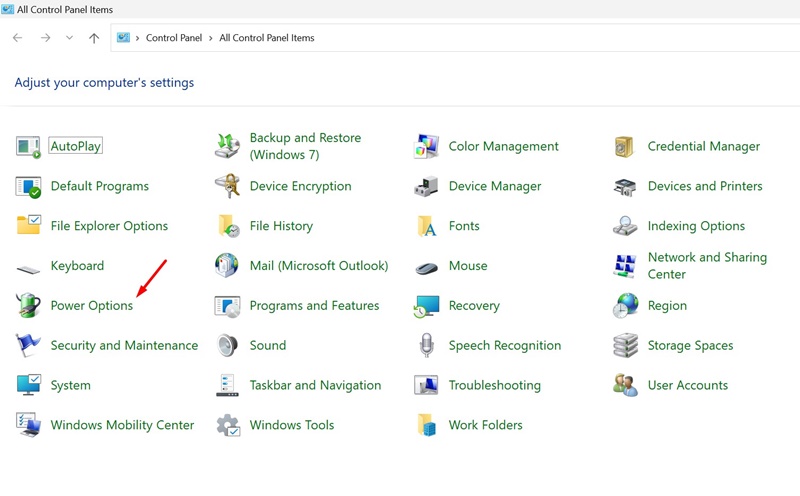
2. Click on Choose what the Power button does.
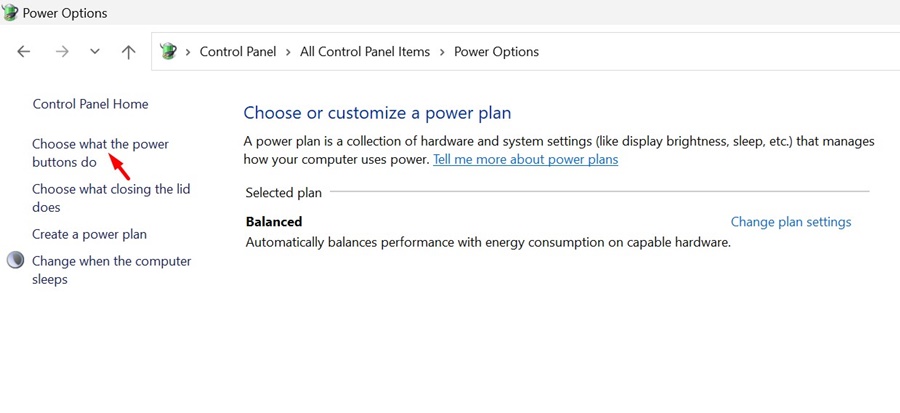
3. Click on Change Settings, which are currently unavailable.
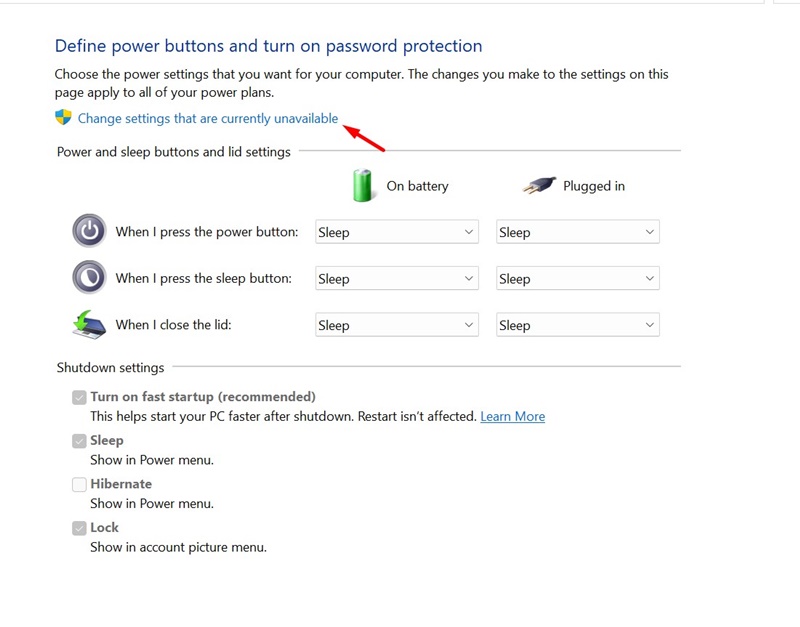
4. Uncheck the Turn on Fast Startup, Sleep, and Hibernate.
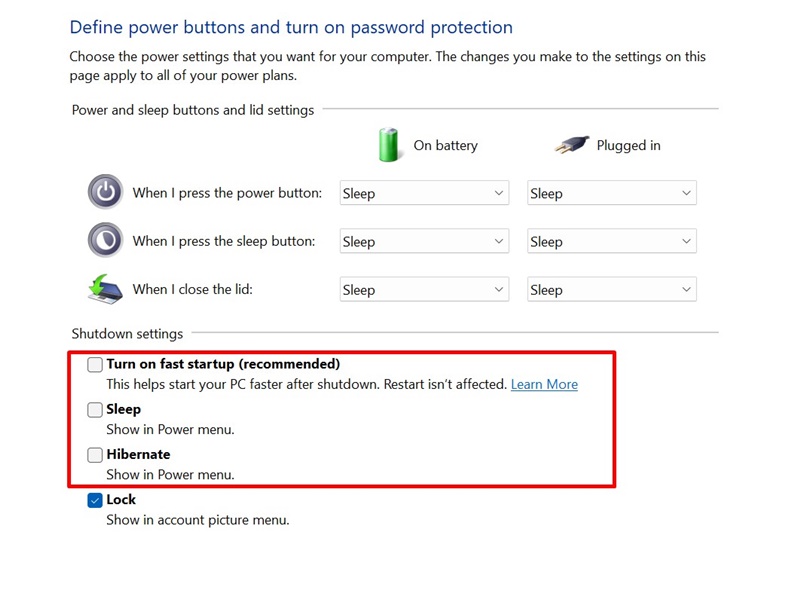
5. Click on Save Changes.
6. On the Edit Plan Settings screen, select the Power Plan that is currently active.
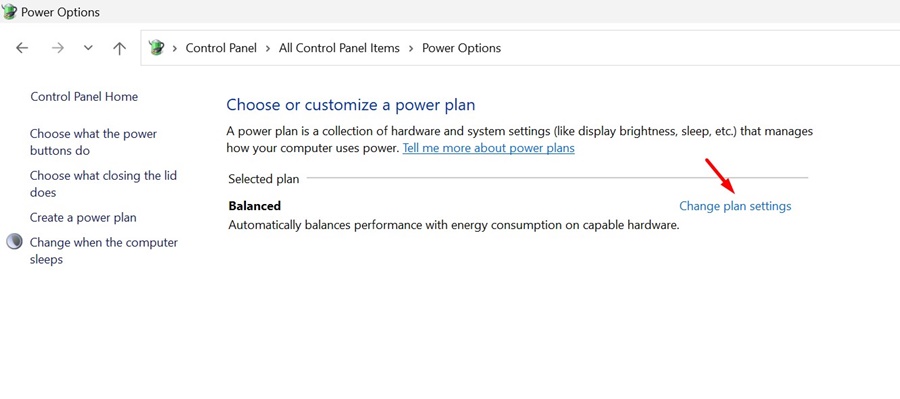
7. Click on Change Advanced Power settings.
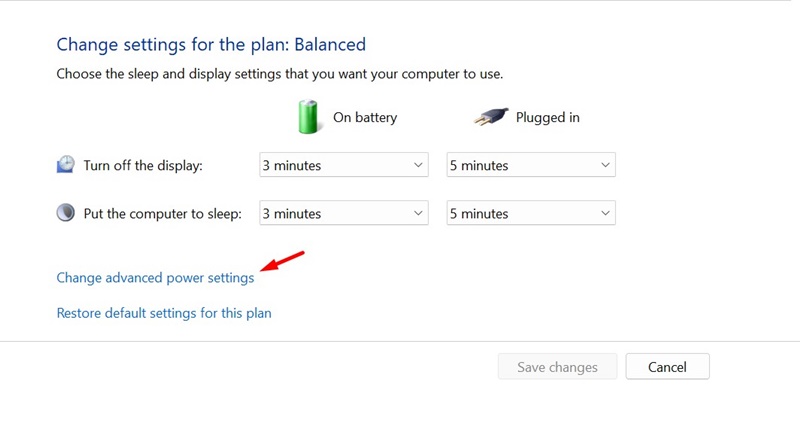
8. Expand the Sleep section and make sure Never is selected in the Sleep Settings.
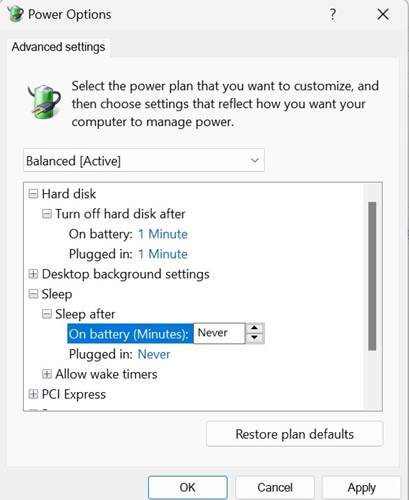
9. Expand the Wireless Adapter Settings and make sure all settings are set to Never.
10. Expand the PCI Express and select ‘Off’ for all settings.
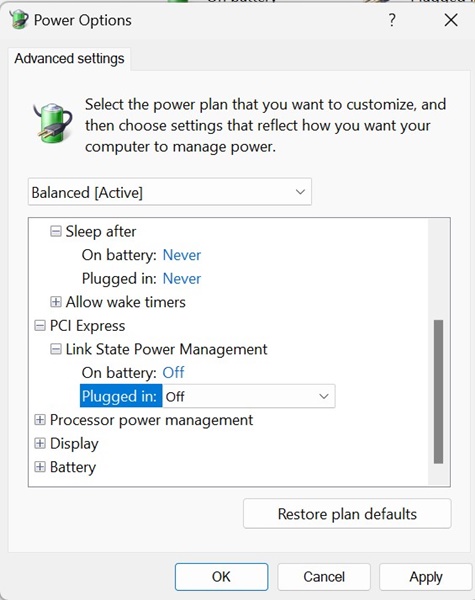
After making the changes, restart your Windows 11 PC.
2. Update All Drivers
Outdated drivers are a prominent reason for this BSOD Error message. Many users have fixed the BSOD by updating all system drivers. So, you can try doing it as well.
1. Click on the Windows Start button and select Settings.
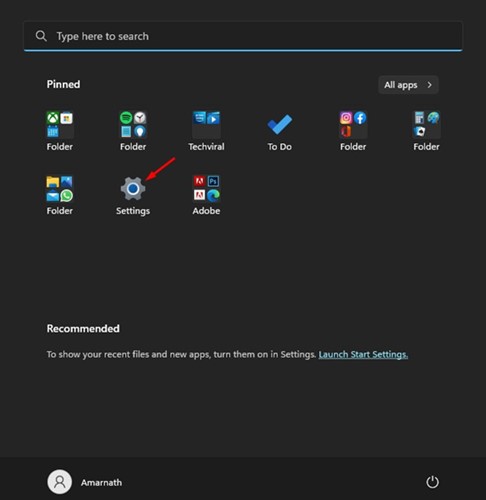
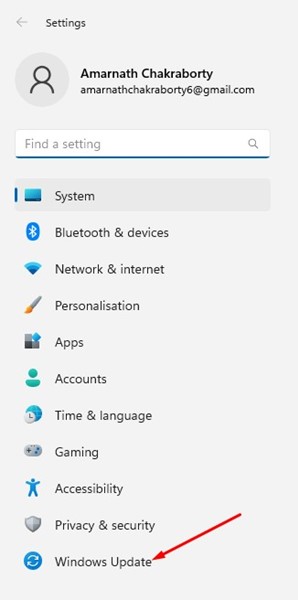
2. Switch to Windows Update.
3. Scroll down to the Additional options and click on the Optional updates.
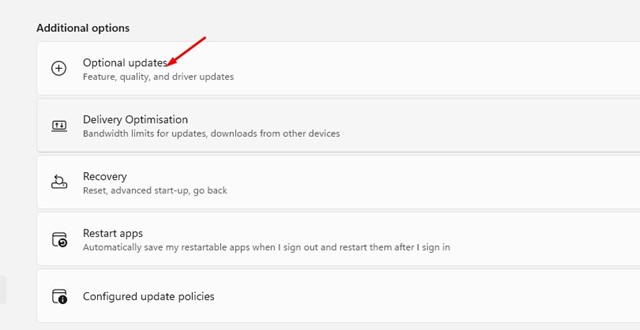
4. If any driver update is pending, click the Download & Install button.
After making the changes, restart your Windows PC. This should fix the ‘DRIVER_POWER_STATE_FAILURE’ BSOD triggered due to outdated system drivers.
3. Manually Update the Device Drivers
As noted, outdated or faulty drivers are the main reason for the ‘DRIVER_POWER_STATE_FAILURE’ BSOD error. So, if the above method didn’t work for you, you need to check the Device Manager & find the peripheral causing the issue.
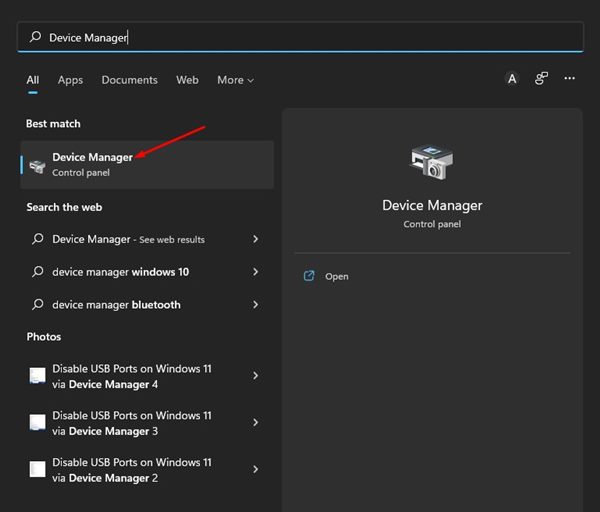
1. Open the Device Manager from the Windows Search.
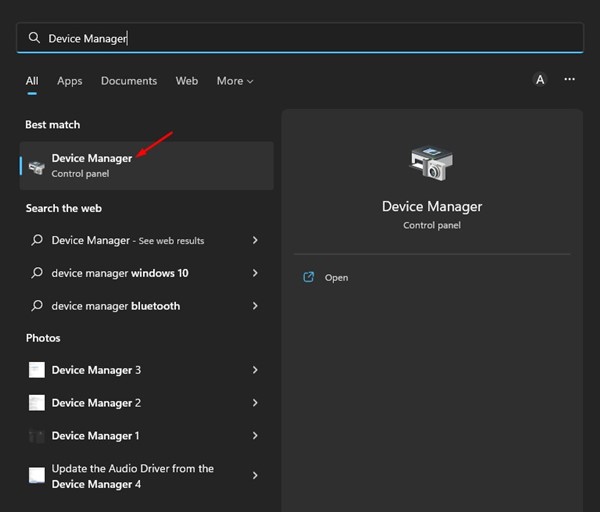
2. Check for the problematic hardware device. The malfunctioning one will have a yellow exclamatory mark.
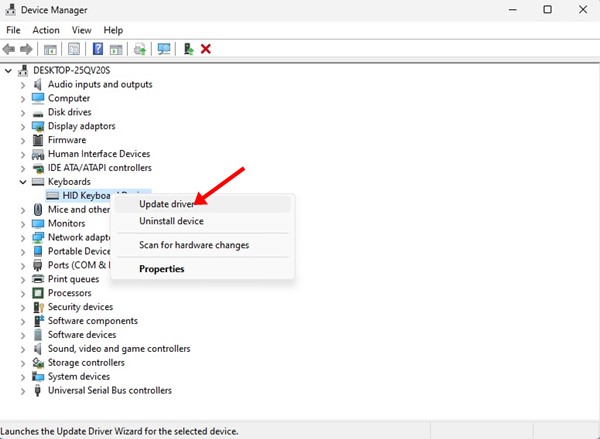
3. Right-click on the malfunctioning device and select Update Driver.
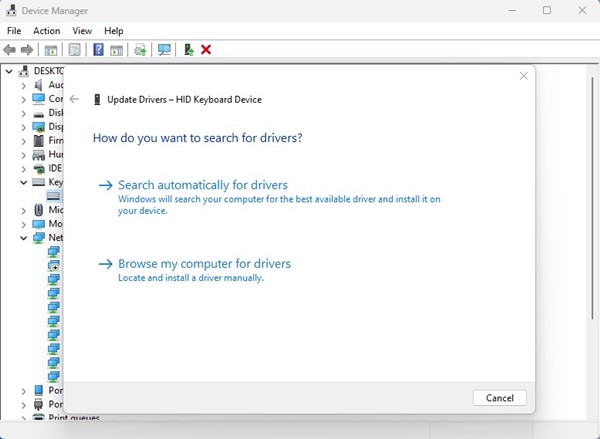
4. Select Search automatically for drivers.
4. Rollback the Problematic Device Drivers
If you just installed new hardware and its drivers, you can try rolling back the recent driver update. Chances are that the new driver installed on your device has compatibility issues, leading to the Driver Power State Failure error message.
So, to resolve the BSOD error, it’s best to roll back the recent driver update.
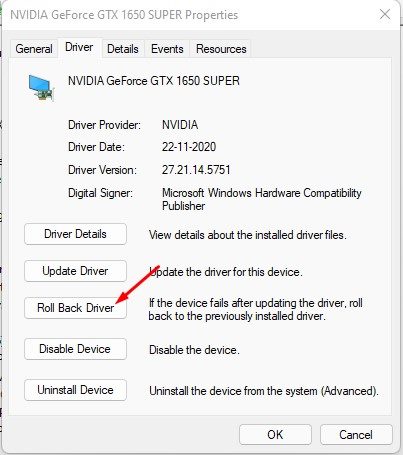
1. Open Device Manager from the Windows Search.
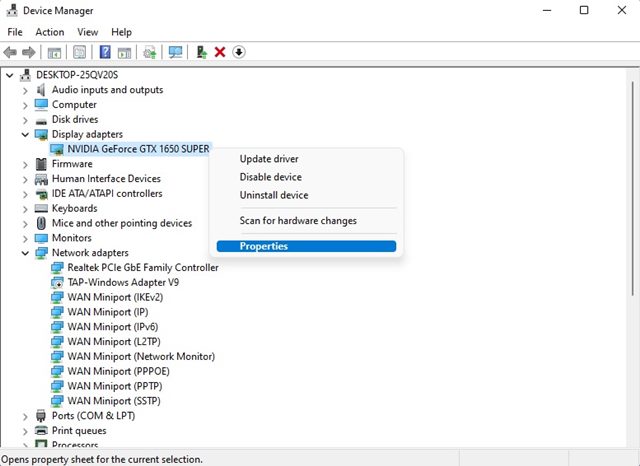
2. Right-click on the problematic device or recently installed driver and select Properties.
3. Click on Roll Back Driver.
5. Disconnect the Peripherals from your PC
The Peripherals plugged into your Windows PC can also be the sole reason for the Driver Power State Failure BSOD error. The problem appears when the newly connected peripherals, like USB Drives, Hard drives, Microphones, etc., malfunction.
The best you can do to resolve this issue is to disconnect those peripherals from your PC. Unplug the USB cables of every peripheral connected to your PC and start your computer.
Once unplugged, use your PC for a while.
6. Revert the Hardware Changes
Faulty hardware also triggers the Driver Power State Failure error. You need to recall if you have recently made any hardware changes.
Hardware changes could include installing new RAM, SSD, GPU, etc. Whatever the hardware addition, if the BSOD appears after it, it’s time to remove it.
It can be difficult to make the hardware changes, especially if you are nontechnical. The best you can do is to take your PC/Laptop to a local repair shop and ask them to revert the hardware changes.
7. Change the Windows Power Plan
Changing the Windows Power Plan has helped many Windows users fix the error message. You can also try changing the Windows Power Plan to see if it resolves the problem.
1. Click on the Windows 11 Start button and select Settings.
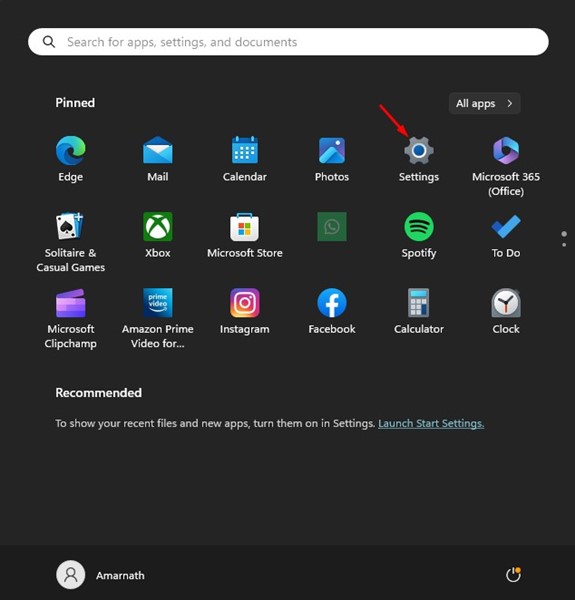
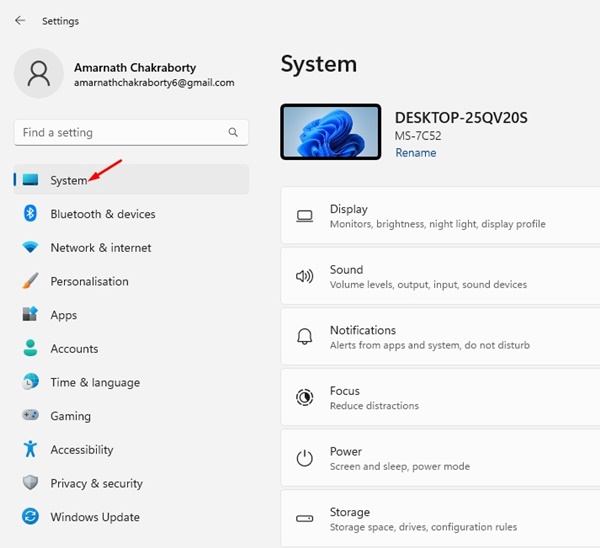
2. Switch to the System tab.
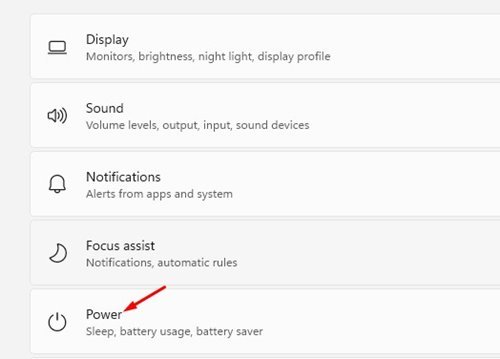
3. Click on the Power.
4. On the Power Section, click on the Power Mode drop-down.
5. In the drop-down menu, select a different power plan. You can select the plan according to your needs.
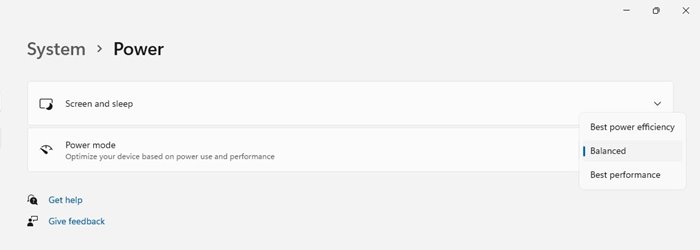
After changing the Power Plan, restart your computer.
8. Run the SFC & DISM Command
System File Corruption may not be directly linked with the BSOD error, but there’s no harm in running these two commands. The SFC & DISM command is supposed to replace all corrupted system files. Here’s what you need to do.
1. Type in Command Prompt on the Windows 11 Search. Next, right-click on the Command Prompt and select Run as administrator.
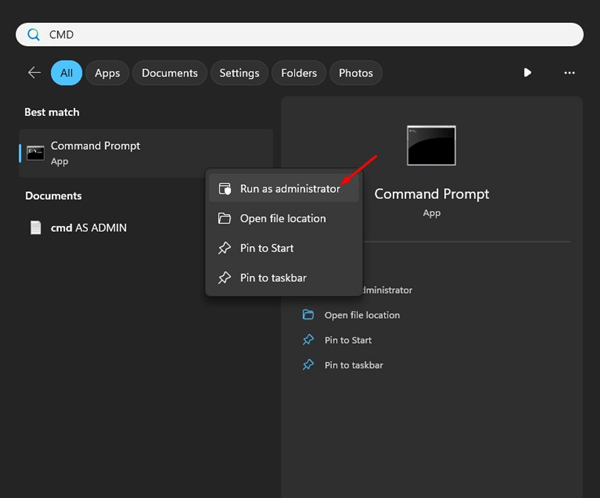
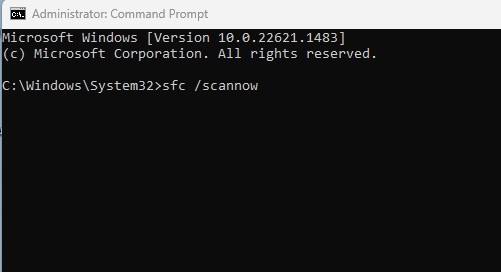
2. Execute this command:
sfc /scannow
3. If the above command returns with an error, execute these two commands one by one:
Dism /Online /Cleanup-Image /ScanHealth

Dism /Online /Cleanup-Image /RestoreHealth
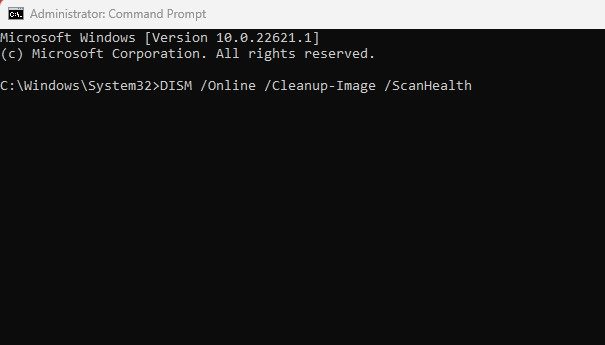
After executing all commands, restart your Windows 11 PC. This should resolve the Windows Driver Power State Failure BSOD error.
9. Update BIOS or UEFI
If you have an old computer or laptop, chances are that its BIOS firmware is outdated. An outdated BIOS sometimes creates problems with new hardware.
BIOS updates generally include bug fixes, firmware updates for your PC’s internal components, etc. Updating the BIOS has also helped many Windows users resolve the error,
However, updating the BIOS is not easy, especially if you lack technical knowledge. The best you can do is follow the instructions given by your manufacturer on its official website.
Otherwise, you can follow the motherboard manual with your PC to update the BIOS.
10. Restore Your PC to a Previous State
If nothing has worked to fix the BSOD error until now, it’s time to restore your computer to a previous state. However, you can do so only if you have a previous system restore point already available.
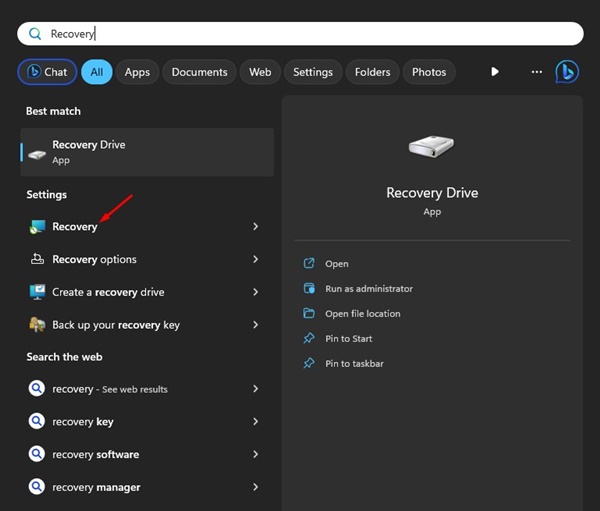
1. Type in Recovery on the Windows Search. Next, open the Recovery app from the list of search results.
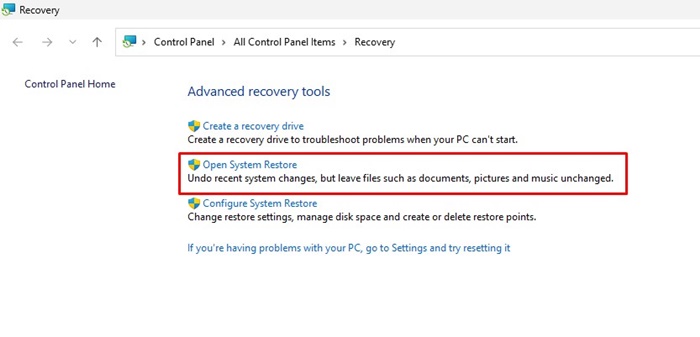
2. Click on Open System Restore.
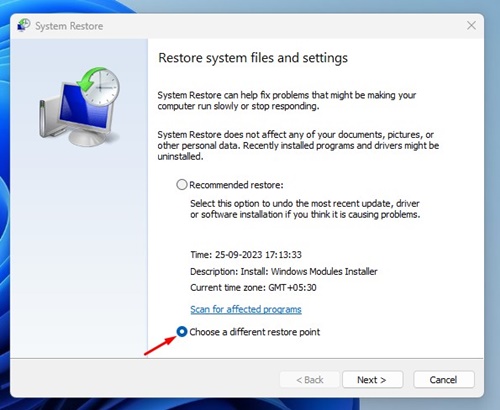
3. Select Choose a different restore point.
4. Select the restore point created on the date before the first occurrence of the BSOD error.
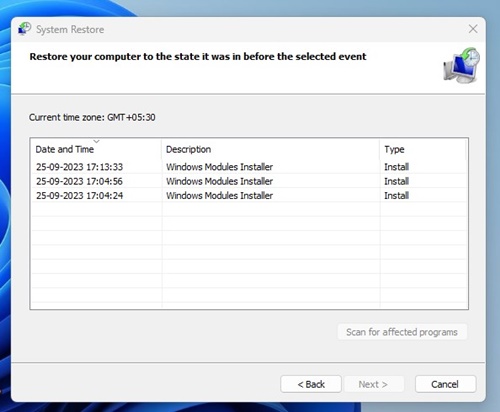
5. After making the selection, click on Finish.
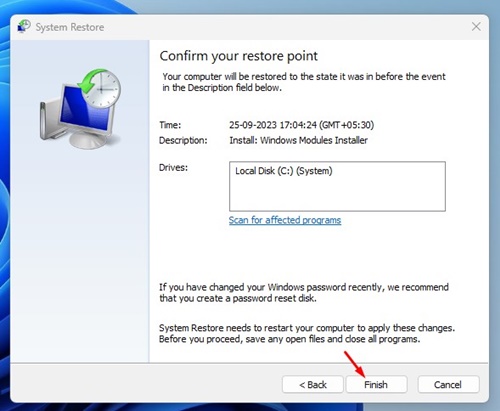
Now, please wait until the tool rolls back your Windows PC to the date when it’s working properly.
This guide is about fixing the DRIVER_POWER_STATE_FAILURE BSOD error on the Windows operating system. If you’ve followed all the methods, the error is likely already resolved.
The post How to Fix ‘Driver Power State Failure’ BSOD Error on Windows 10/11 appeared first on TechViral.
from TechViral https://ift.tt/dKvm2L5